





By Dr. Ben Wright, DO — board-certified emergency medicine physician and co-founder of Aging Backwards Wellness
I started as the skeptic
I spent my career in the ER trusting clinical studies, not supplement labels. When my wife Tami was diagnosed with multiple sclerosis (MS) in 2015, I was the person in our house saying "show me the evidence." So this guide is written the way I would want it written for my own family: honest about what the research supports, honest about what it doesn't, and clear that supplements are a complement to your neurologist's care, never a replacement for it.
If you have MS, please don't stop or change a prescribed disease-modifying therapy because of anything you read here, including this article.
Start with a blood test, not a shopping cart
Before buying anything, ask your doctor to check your vitamin D (25-hydroxy vitamin D) level. It is inexpensive, and it tells you whether the supplement with the strongest MS research behind it is something you actually need, and at what dose. A basic metabolic panel and a B12 level are also reasonable to discuss.
1. Vitamin D: the strongest evidence
Of everything people with MS ask me about, vitamin D has the most research behind it. Large studies have linked low vitamin D levels with a higher risk of developing MS and with more disease activity in people who already have it. That's why many neurologists already check and correct vitamin D in their MS patients.
What the research does not show yet is that megadoses change the course of MS for everyone. Clinical trials of high-dose vitamin D added to standard treatment have had mixed results. My practical takeaway: find out your level, correct a deficiency, and keep your level in a healthy range with your doctor's guidance. Too much vitamin D can raise calcium to unsafe levels, which is why testing matters.
Vitamin K is often paired with vitamin D because the two work together in calcium metabolism.
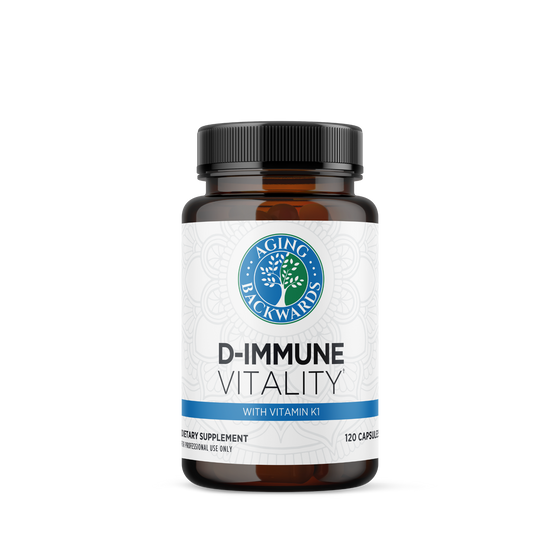
- D-Immune Vitality: 2,000 IU of vitamin D3 with vitamin K, a typical daily maintenance amount. Choose one vitamin D formula, not both. D-Immune Vitality Max is a higher-dose alternative, not an additional daily supplement: 10,000 IU of vitamin D3 with K1, K2 and GG. Use it only if testing shows you need it and your doctor agrees, and recheck your level.
2. Omega-3 fatty acids (DHA): reasonable, but modest evidence
DHA is a major structural fat in the brain and nervous system. Some observational studies associate higher fish and omega-3 intake with lower MS risk, but trials of omega-3 supplements in people with MS have not shown clear effects on relapses or disability. I consider omega-3s a sensible part of an anti-inflammatory eating pattern, not a treatment. If you rarely eat fatty fish, a supplement is a simple way to close that gap. Check with your doctor if you take blood thinners.
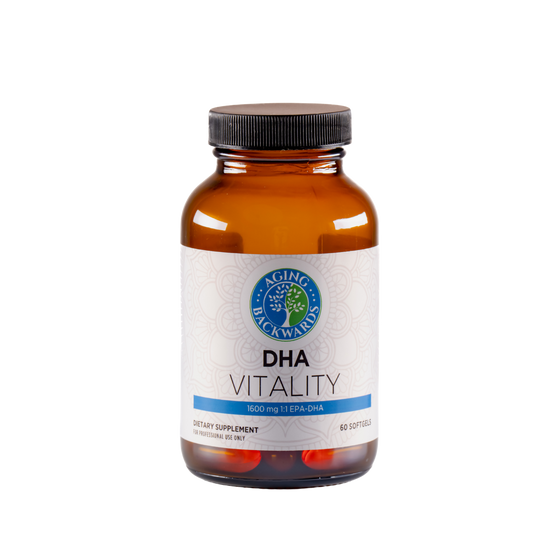
- DHA Vitality: omega-3 DHA soft gels, taken with a meal.
3. Magnesium: for sleep, cramps and everyday comfort
Many people with MS deal with poor sleep, muscle tightness and cramps. There is no strong evidence that magnesium changes MS itself, but magnesium deficiency is common, and magnesium glycinate is a gentle form that many people find helps them relax in the evening. People with kidney disease should talk to their doctor first.
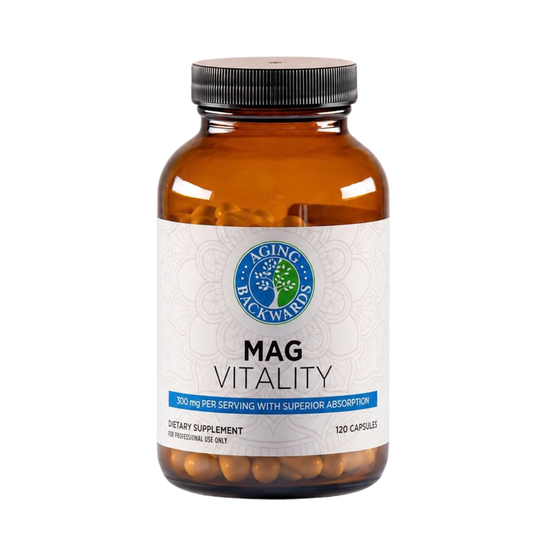
- Mag Vitality: magnesium glycinate, taken in the evening.
4. Probiotics: promising, early research
Researchers have found that the gut bacteria of people with MS often differ from those of people without it, and the gut–immune connection is one of the most active areas of MS research. That's exciting, but it's still early: we don't yet know which specific strains help, or by how much. I see a quality probiotic as a low-risk way to support digestion and gut balance, alongside a diet rich in fiber and vegetables.
- Probio Vitality: a shelf-stable, delayed-release probiotic.
If you want one simple place to start
Long supplement lists are overwhelming, and more is not better. The three products Tami takes every day are vitamin D, magnesium and a probiotic, and we bundled them as Tami's Top Three. That's her personal routine, chosen with me and her doctors. It isn't a cure, and your own needs may be different.
What I'd skip or be careful with
- High-dose biotin. It was studied in progressive MS, and a large trial did not show a benefit. It can also interfere with common lab tests, including thyroid and heart tests, and give false results. Tell your doctor if you take any biotin.
- "Immune-boosting" stacks. MS involves an overactive immune response, so products that promise to "boost" immunity aren't automatically helpful. Ask your neurologist before adding herbs like echinacea.
- Anything sold as a cure or as a replacement for your medication. No supplement can honestly make that claim.
The bottom line
Supplements can support your overall health while you live with MS, but they're one piece alongside your medical care, sleep, movement, stress management and good food. Test, don't guess. Start simple. And bring this list to your next appointment so you and your doctor can decide together.
Every Aging Backwards product is backed by our 100-day, 100% money-back guarantee.
This article is for education only and isn't medical advice. These statements have not been evaluated by the Food and Drug Administration. These products are not intended to diagnose, treat, cure, or prevent any disease.