

By Dr. Ben Wright, DO — Aging Backwards Wellness, Manti, Utah
There's a particular dread that comes with a scratchy throat when you have multiple sclerosis. For everyone else in the house, it's a cold. For you, it's a question: just a virus, or the start of something?
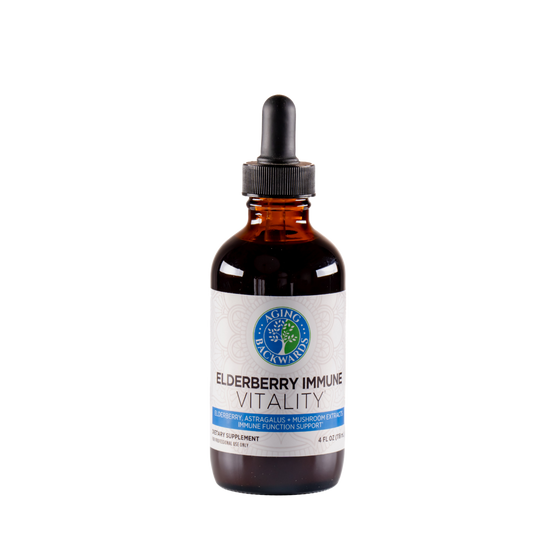
Tami knows it. Told at diagnosis to expect a cane, today she plays competitive tennis and keeps up with her kids — but for years, every bug the kids brought home came with a side of "is this the one?" People in our community ask: "Is there anything I can do so a cold stays a cold?" Elderberry Immune Vitality™ is the botanical half of our answer.
Why a cold is never just a cold with multiple sclerosis
A Dutch team followed 73 people with relapsing-remitting multiple sclerosis and found that around an infection, relapses were 2.1 times more frequent and 3.8 times more likely to leave a lasting deficit [12]. In a 2025 North American registry survey of 2,927 people, a recent infection carried 39% higher odds of relapse and 78% higher odds of a "pseudo-relapse" — old symptoms flaring while you're sick [13].
So the goal is simple: shorter, gentler infections — which is exactly where these botanicals have data.
What's in the dropper
A glycerin-based liquid — easy to dose when hands are weak — with a 500 mg organic blend of elderberry fruit, astragalus root, and wild cherry bark, plus a 150 mg organic mushroom blend providing 25 mg of beta-glucans. One 2.5 mL a day.
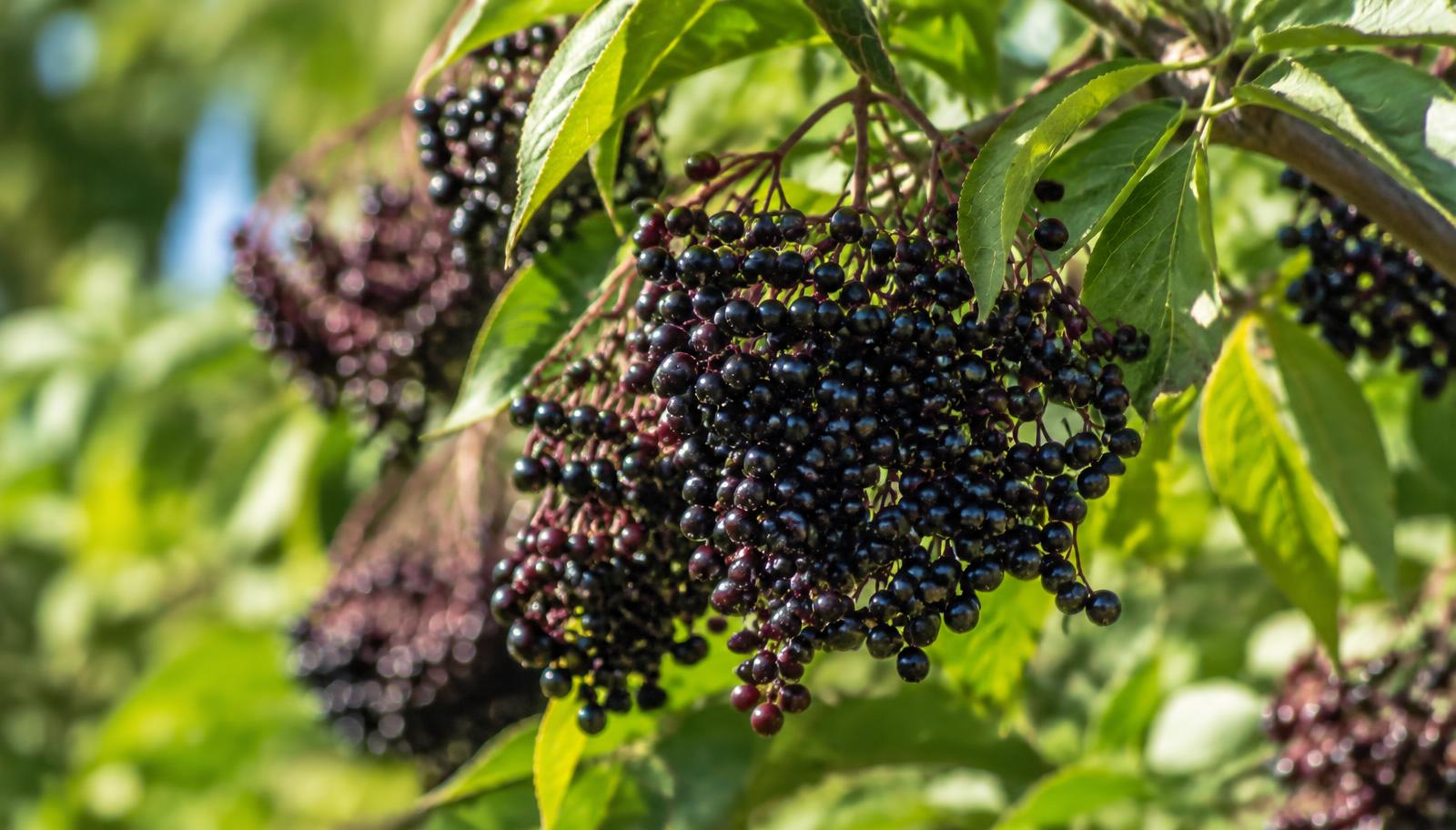
Elderberry brings anthocyanins, purple pigments that block influenza virus entry in cell studies [8]. Astragalus is the modulator: in the mouse model of multiple sclerosis, astragaloside IV lowered Th1 and Th17 cells — the inflammatory T cells most implicated in multiple sclerosis — and raised the regulatory T cells that calm things down [9]. Mushroom beta-glucans prime your innate first responders to react faster [11]. Wild cherry bark soothes a cough.
What the research says
The elderberry story is a good one. In a Norwegian trial, 60 adults with influenza who took elderberry syrup recovered in 3.1 days versus 7.1 on placebo [3]. Among 312 air travelers, those who caught a cold had half the cold-days and milder symptoms [2], and a 2019 meta-analysis of four trials agreed [1]. Results have varied with timing and setting — a 2020 emergency-department flu trial of 87 patients saw no difference [4] — and a 2021 systematic review summed it up well: elderberry "may" shorten illness, and its strength lies in easing an infection more than in blocking one [5].
That pattern tells you how to use it. Elderberry's gift is making an infection shorter and gentler — and when your risk sits in the length and intensity of each illness, shorter and gentler is the whole point.
The one trial pairing elderberry with a mushroom is encouraging: 60 nursing-home residents on elderberry plus reishi for 14 weeks had colds lasting 2.5 days instead of 4.8 [6]. Astragalus brings early human data pointing the right way [10], with the stronger evidence sitting in the multiple sclerosis-model work above.
These botanicals haven't been studied in people with multiple sclerosis yet, and we'll say so when they are. What we have today is human data that they shorten infections, and multiple sclerosis data that shorter infections matter — and that's the chain this formula is built on.
Why we're comfortable with this formula
You may have read that elderberry can cause a "cytokine storm." That traces to a single 2001 dish study of isolated cells [7]. Across five human trials, reviewers found no evidence of immune over-stimulation [5]. We respect the lab signal anyway — so we dose it gently on purpose, below what the acute flu trials used, and pair it with astragalus, whose animal data lean toward regulatory-T-cell support [9]. This is a gentle, everyday formula that supports your defenses without overstimulating a system that already runs warm.
At a glance: how much to take
The label is your starting point, not your ceiling. The trials behind this product often used more, and the rows below show where the research went. Anything above the label is a conversation to have with your own physician — bring the numbers with you.
| Situation | How much | Notes |
|---|---|---|
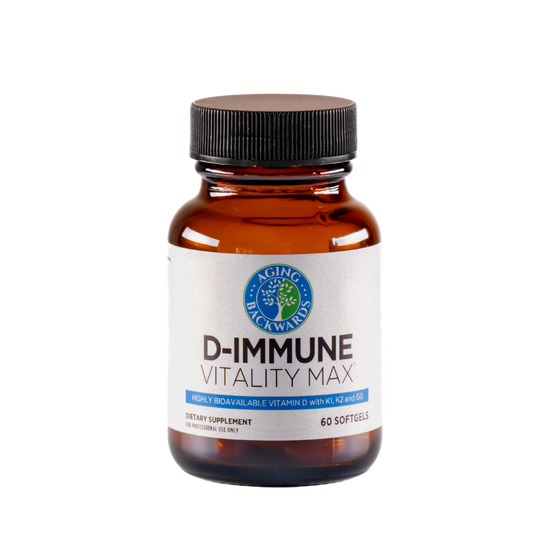
| Start here (label) — October through spring | 2.5 mL each morning | With your vitamin D softgel; judge it by the season |
| First sign of a cold | 2.5 mL twice a day for 3–5 days, then back to once | Still a gentle dose your doctor can build on; run it past them first |
| Ask first or skip | — | Strongly immune-suppressing DMT, diabetes medication; skip in pregnancy/nursing |
| Multiple sclerosis relapse or new symptoms | Don't change any dose on your own | Call your neurologist first |
If this is you
Winter is a string of colds, each one tacking on a week of heavy legs and fog.
- Take 2.5 mL each morning with your vitamin D softgel.
- Start in October and stay on through spring. The air-traveler trial began ten days before exposure [2]; the mushroom trial ran 14 weeks [6].
- Judge it by the season, not the week: were this winter's colds shorter and quieter than last year's?
You feel a cold starting right now.
- Consider a second 2.5 mL for a few days; the flu trials began dosing at the first sign of illness [3,4]. Even doubled, you're at a gentle dose your doctor can build on. Run it past them first.
- If you're getting sicker rather than better, call your doctor.
You take a strong immune-suppressing DMT, diabetes medication, or you're pregnant or nursing.
- On ocrelizumab, natalizumab, fingolimod, cladribine, alemtuzumab, or similar: ask your neurologist first. These botanicals stimulate immune cells in the lab, and NCCIH advises caution with immune-suppressing medicines [10].
- On diabetes medication: astragalus can lower blood sugar; watch your numbers [10].
- Pregnant or nursing: skip it.
Whichever route you've chosen for the disease itself. Some in our community take a disease-modifying therapy; some, with their doctors, have chosen not to. The dose is the same either way. On a strongly immune-suppressing DMT, see the note above. Off a DMT, there's no interaction to weigh — and keeping infections short becomes one of your main tools, so the October-through-spring habit and the first-sign surge are worth protecting.
A short word on safety. Use only the finished product, never home-foraged raw berries, which can cause nausea and vomiting [14,15]. Skip it if you're allergic to elder, mushrooms, or pea-family plants. If multiple sclerosis symptoms worsen, stop and call your neurologist.
Where Tami landed
"The dread is what changed. I used to hear the first cough in the house and start counting down. Now I take my dropper every morning, the kids get sick, and most of the time it stays small and I keep playing. That's not nothing when you were told to expect a cane."
That's my read too. This is the piece that helps ordinary stuff stay ordinary — and when infections are tied to relapses, ordinary is worth a lot.
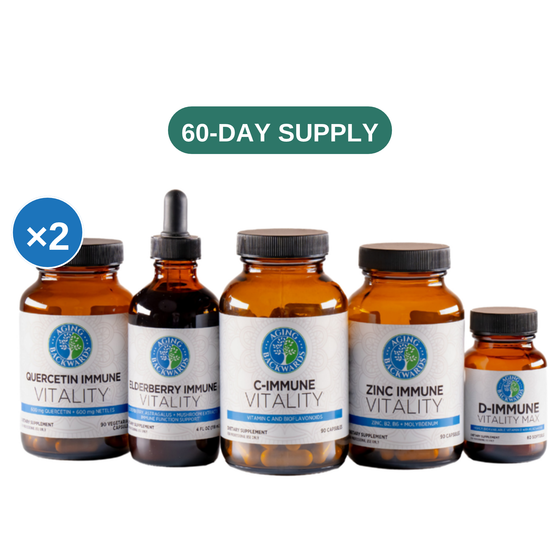
Elderberry Immune Vitality™ is part of the Immune Vitality Max Package™ at agingbackwardswellness.com. If every virus turns into a relapse scare, this is the daily habit we'd start with.
References
- Hawkins J, Baker C, Cherry L, Dunne E. Black elderberry (Sambucus nigra) supplementation effectively treats upper respiratory symptoms: a meta-analysis of randomized, controlled clinical trials. Complement Ther Med. 2019;42:361-365. https://doi.org/10.1016/j.ctim.2018.12.004 (PMID 30670267)
- Tiralongo E, Wee SS, Lea RA. Elderberry supplementation reduces cold duration and symptoms in air-travellers: a randomized, double-blind placebo-controlled clinical trial. Nutrients. 2016;8(4):182. https://doi.org/10.3390/nu8040182 (PMID 27023596)
- Zakay-Rones Z, Thom E, Wollan T, Wadstein J. Randomized study of the efficacy and safety of oral elderberry extract in the treatment of influenza A and B virus infections. J Int Med Res. 2004;32(2):132-140. https://doi.org/10.1177/147323000403200205 (PMID 15080016)
- Macknin M, Wolski K, Negrey J, Mace S. Elderberry extract outpatient influenza treatment for emergency room patients ages 5 and above: a randomized, double-blind, placebo-controlled trial. J Gen Intern Med. 2020;35(11):3271-3277. https://doi.org/10.1007/s11606-020-06170-w (PMID 32929634)
- Wieland LS, Piechotta V, Feinberg T, et al. Elderberry for prevention and treatment of viral respiratory illnesses: a systematic review. BMC Complement Med Ther. 2021;21(1):112. https://doi.org/10.1186/s12906-021-03283-5 (PMID 33827515)
- Gracián-Alcaide C, Maldonado-Lobón JA, Ortiz-Tikkakoski E, et al. Effects of a combination of elderberry and reishi extracts on the duration and severity of respiratory tract infections in elderly subjects: a randomized controlled trial. Appl Sci. 2020;10(22):8259. https://doi.org/10.3390/app10228259
- Barak V, Halperin T, Kalickman I. The effect of Sambucol, a black elderberry-based natural product, on the production of human cytokines: I. Inflammatory cytokines. Eur Cytokine Netw. 2001;12(2):290-296. https://pubmed.ncbi.nlm.nih.gov/11399518/
- Stich L, Plattner S, McDougall G, Austin C, Steinkasserer A. Polysaccharides from European black elderberry extract enhance dendritic cell mediated T cell immune responses. Int J Mol Sci. 2022;23(7):3949. https://doi.org/10.3390/ijms23073949
- Yang L, Xing F, Han X, et al. Astragaloside IV regulates differentiation and induces apoptosis of activated CD4+ T cells in the pathogenesis of experimental autoimmune encephalomyelitis. Toxicol Appl Pharmacol. 2019;362:105-115. https://doi.org/10.1016/j.taap.2018.10.024 (PMID 30385269)
- National Center for Complementary and Integrative Health. Astragalus: Usefulness and Safety. Updated May 2025. https://www.nccih.nih.gov/health/astragalus
- Bashir KMI, Choi JS. Clinical and physiological perspectives of β-glucans: the past, present, and future. Int J Mol Sci. 2017;18(9):1906. https://doi.org/10.3390/ijms18091906 (PMID 28872611)
- Buljevac D, Flach HZ, Hop WC, et al. Prospective study on the relationship between infections and multiple sclerosis exacerbations. Brain. 2002;125(Pt 5):952-960. https://pubmed.ncbi.nlm.nih.gov/11960885/
- Salter A, Lancia S, Sharma M, Cutter GR, Fox RJ, Marrie RA. Infection, relapses, and pseudo-relapses in individuals with multiple sclerosis. Neurol Clin Pract. 2025;15(4):e200493. https://doi.org/10.1212/CPJ.0000000000200493 (PMID 40510870)
- European Medicines Agency, Committee on Herbal Medicinal Products. Assessment report on Sambucus nigra L., fructus. EMA/HMPC/44208/2012, 28 January 2014. https://www.ema.europa.eu/en/documents/herbal-report/final-assessment-report-sambucus-nigra-l-fructus_en.pdf
- Appenteng MK, Krueger R, Johnson MC, et al. Cyanogenic glycoside analysis in American elderberry. Molecules. 2021;26(5):1384. https://doi.org/10.3390/molecules26051384
These statements have not been evaluated by the Food and Drug Administration. This product is not intended to diagnose, treat, cure, or prevent any disease. This article is educational and reflects published research; it is not medical advice and does not create a doctor–patient relationship. Multiple sclerosis is a serious condition — please discuss any supplement with your neurologist or physician, especially if you take a disease-modifying therapy or other prescription medications.
Aging Backwards Wellness · Manti, Utah · agingbackwardswellness.com