




Understanding Inflammation as a Protective Response
Inflammation is often viewed negatively, yet it is a vital immune response designed to protect and heal the body.
When functioning properly, inflammation:
• helps fight infections
• repairs damaged tissue
• signals immune defense
• supports healing processes
Problems arise when inflammation becomes chronic and persists beyond its protective purpose.
Acute vs. Chronic Inflammation
Acute Inflammation
A short-term response to injury or infection that supports healing.
Chronic Inflammation
A prolonged immune response that may contribute to tissue damage and disease development.
While acute inflammation protects, chronic inflammation may silently disrupt normal biological function.
How Chronic Inflammation Develops
Persistent inflammatory signaling may result from:
• chronic stress
• poor diet and excess sugar
• gut imbalance and intestinal permeability
• environmental toxin exposure
• unresolved infections
• lack of sleep
• sedentary lifestyle
Over time, these factors may keep the immune system in a constant state of activation.
The Immune System’s Role in Inflammation
The immune system initiates inflammation to protect the body. However, when immune regulation falters, inflammatory responses may continue unnecessarily.
Chronic immune activation can:
• damage healthy tissue
• disrupt metabolic function
• impair cellular repair
• contribute to autoimmune responses
Immune regulation is essential for turning off inflammation once healing is complete.
Chronic Inflammation and Long-Term Health
Research associates chronic inflammation with numerous conditions, including:
• autoimmune disorders
• cardiovascular disease
• metabolic dysfunction
• joint degeneration
• cognitive decline
• accelerated aging processes
Reducing inflammatory burden helps support long-term health resilience.
Hidden Sources of Inflammation
Inflammation is not always obvious. Hidden contributors may include:
• ultra-processed foods
• excess omega-6 oils
• chronic psychological stress
• environmental chemicals
• disrupted sleep patterns
• gut barrier dysfunction
Identifying and reducing these stressors supports immune balance.
The Gut–Inflammation Connection
Gut health plays a critical role in inflammatory regulation.
When gut integrity is compromised, immune activation may increase, contributing to systemic inflammation.
Supporting gut barrier function and microbiome balance helps regulate inflammatory responses.
Natural Strategies to Reduce Chronic Inlammation
Focus on foundational habits that support immune balance:
Eat anti-inflammatory whole foods
Prioritize omega-3 fatty acids
Reduce sugar and processed foods
Support gut health and microbiome diversity
Manage stress effectively
Prioritize restorative sleep
Engage in regular moderate movement
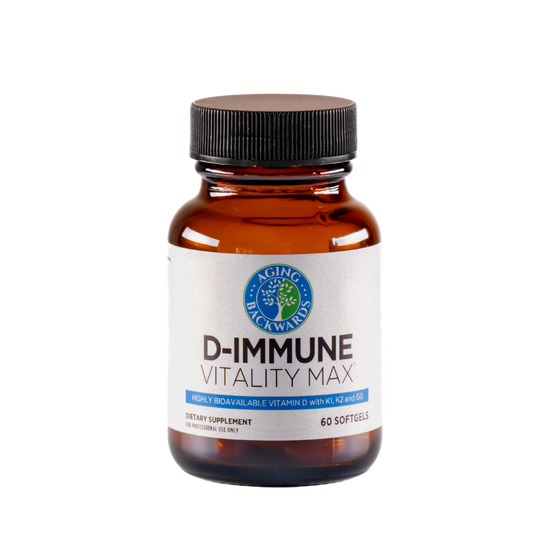
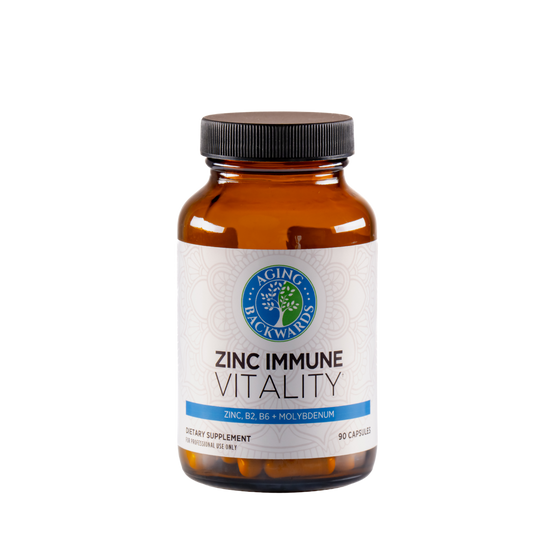
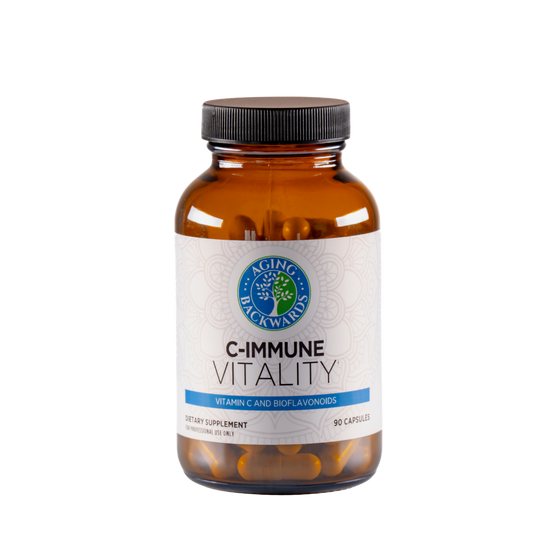
Support inflammatory balance with targeted nutrition
Why Inflammation Balance Matters for Longevity
Chronic inflammation accelerates cellular aging and contributes to tissue degeneration. Reducing inflammatory burden supports:
• immune regulation
• joint and tissue health
• metabolic efficiency
• cognitive clarity
• healthy aging
Inflammation & Immunity Questions & Answers
Is inflammation always harmful?
No. Acute inflammation protects and heals. Chronic inflammation can become harmful when it persists.
How do I know if I have chronic inflammation?
Symptoms may include fatigue, joint discomfort, digestive issues, skin problems, and brain fog.
Can gut health affect inflammation?
Yes. Gut imbalance and intestinal permeability can increase inflammatory signaling.
Does diet influence inflammation levels?
Highly processed foods and excess sugar may increase inflammation, while whole foods and omega-3 fats support balance.
Can reducing inflammation improve overall health?
Supporting inflammatory balance may improve energy, immune regulation, and long-term wellness.
Restoring Immune and Inflammatory Balance
Inflammation is not the enemy. Imbalance is.
Supporting immune regulation and reducing chronic inflammation helps restore resilience, promote healing, and support lifelong wellness.
Explore targeted support designed to promote inflammatory balance and immune resilience.